Start With Language Strategy
Decide which languages you support for full automation, which ones get partial automation (routing + authentication), and which ones go directly to human agents. This avoids “almost-working” experiences that frustrate customers.
Key Building Blocks
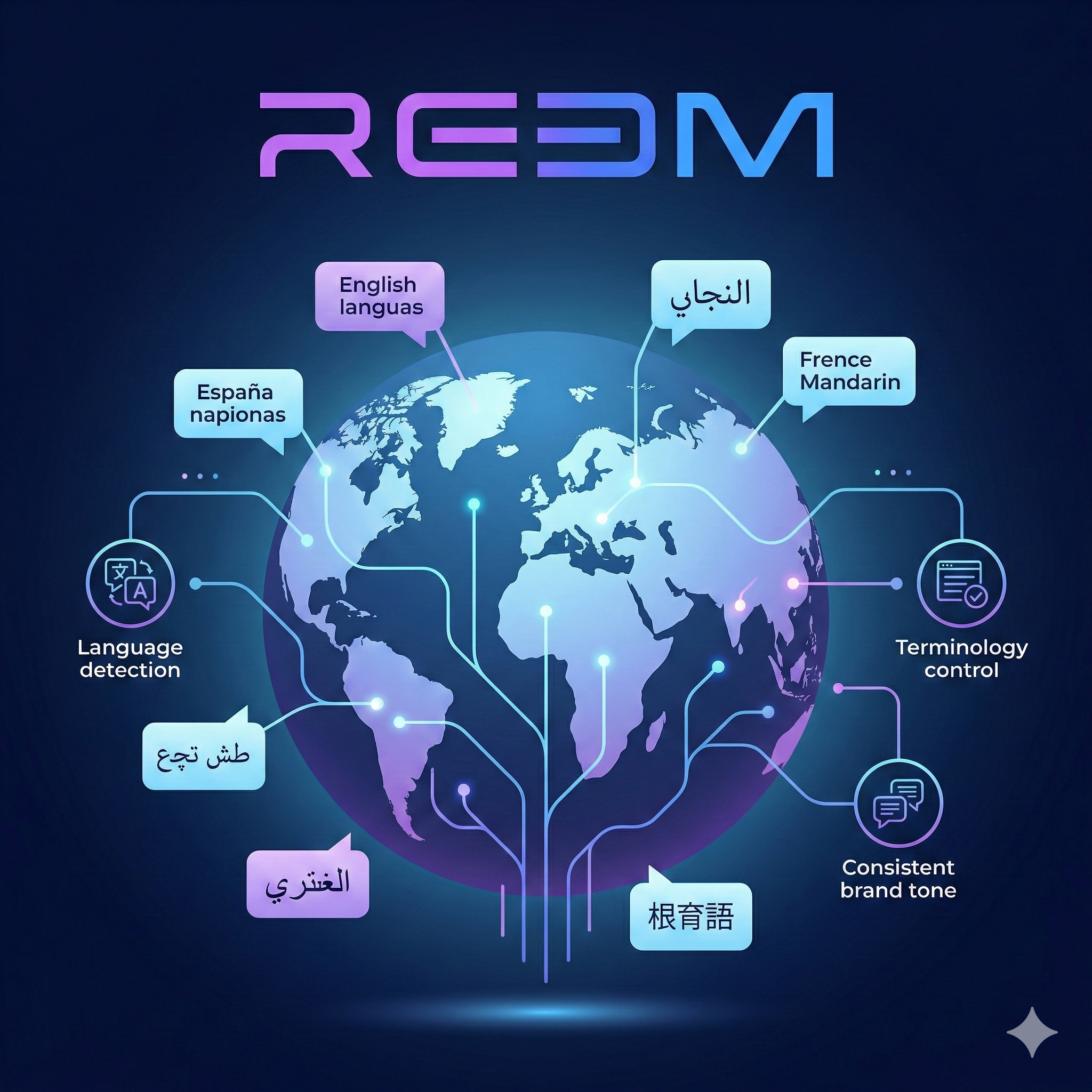
Language detection & confirmation
Detect the language early, then confirm it with a short prompt. If confidence is low, offer a simple language menu to reduce mistakes.
Terminology control
Maintain a glossary for product names, plan types, city names, and acronyms. Keep these consistent so the agent never “invents” variants.
Consistent brand tone
Define tone rules (formal vs friendly), apology style, and how to handle interruptions. Apply the same style guide across languages.
Fallback Design for Real Calls
Accents, noise, code-switching, and mixed-language sentences happen often. Design fallbacks that ask for clarification, allow slower speech, and provide safe escalation when understanding breaks down.
One goal per step
Keep each prompt focused (verify identity, capture order ID, confirm date). Short prompts reduce recognition errors and make corrections easier.
Conclusion
Multilingual voice is a competitive advantage when done with structure: clear language coverage, controlled terminology, consistent tone, and graceful fallbacks. With ReemAI, teams can scale voice experiences globally without losing quality.
ReemAI Team
AI Voice Solutions Experts